
Are All-Ceramic Crowns Better Than Porcelain-Fused-to-Metal Crowns?
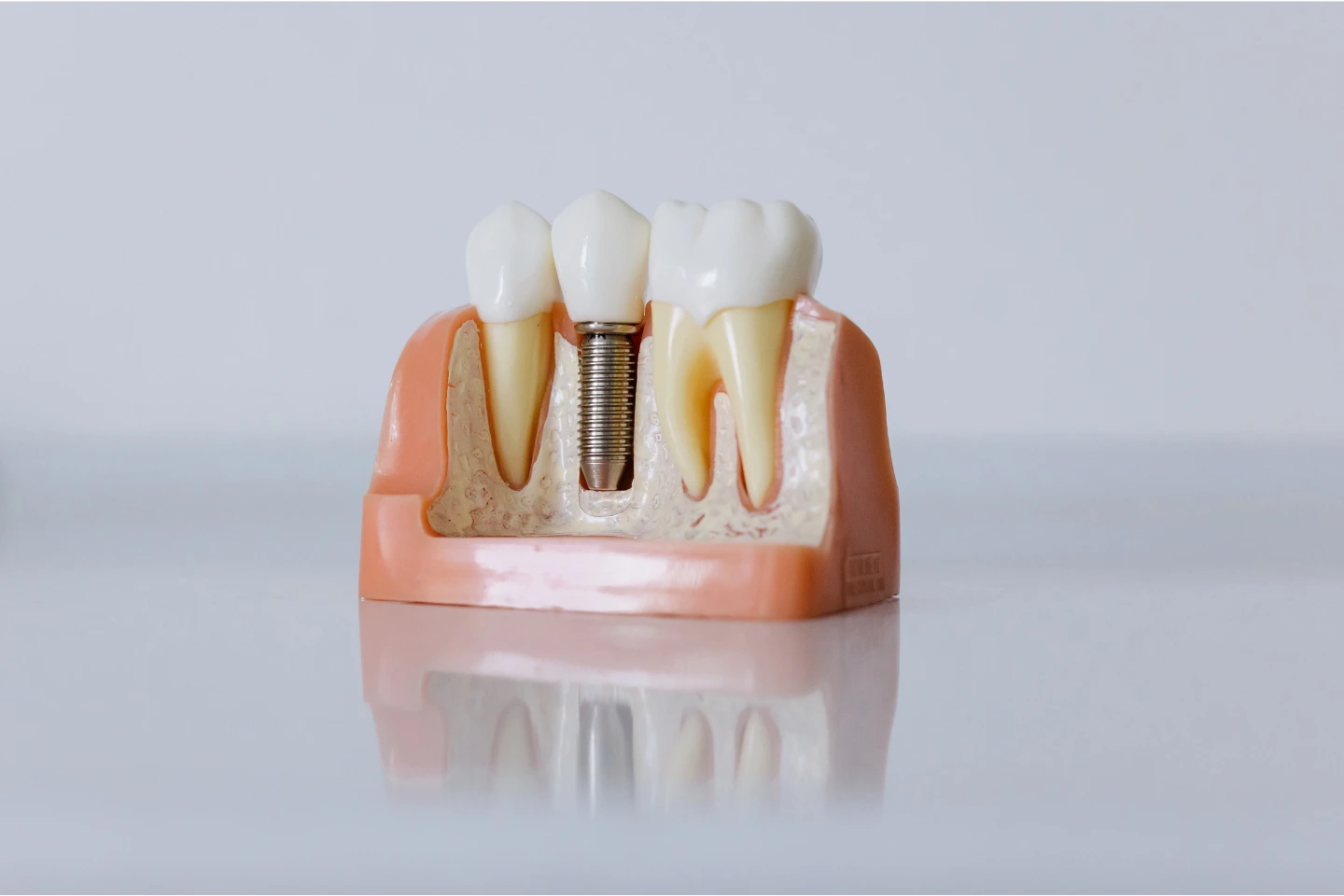
Hearing that you need a dental crown can instantly trigger a flurry of thoughts. You might feel a bit uneasy about the actual chair time, but practically speaking, your mind races to everyday concerns. Will it look totally fake when I laugh? Can I bite into a crisp apple without worrying? And what on earth is the real difference between the materials my dentist is laying out for me?
Dental crowns have served as a foundational fix in restorative dentistry for decades, stepping in whenever teeth get cracked, worn down, or weakened by deep fillings. If you have spent any time looking into your options, you have likely run into the two classic choices: all-ceramic crowns and porcelain-fused-to-metal (PFM) crowns. People constantly ask whether all-ceramic versions are universally superior to their metal-supported rivals. Honestly, modern dentistry doesn't deal in one-size-fits-all answers. It comes down to finding the precise match for your unique bite, what you want your smile to look like, and your budget.
If you happen to be weighing your choices for ceramic dental crowns in Medford, MA, getting a clear picture of what happens beneath the surface makes a huge difference. Let's walk through how these materials actually compare so you feel entirely confident before your next appointment.
A Quick Look Back at Crown Evolution
To appreciate where we stand today, it helps to glance at how crown technology started. Years ago, solid gold and metal alloy crowns were the undeniable champions of toughness. They handled relentless chewing forces effortlessly and almost never fractured. The downside was obvious: they looked like gold or silver. That worked fine for a hidden molar way back in the jaw, but nobody wanted a metallic flash every time they smiled.
To bridge that gap between brute strength and a natural look, dentists turned to porcelain-fused-to-metal options. A PFM crown relies on a solid metal substructure, essentially a fitted cap over your natural tooth structure, layered over with porcelain to mimic tooth color. For a long time, these were the go-to solution for front and back teeth alike because they offered a practical blend of underlying strength and tooth-colored camouflage.
Even so, dental material science has taken massive leaps forward. Today's advanced ceramics, such as lithium disilicate and monolithic zirconia, have completely altered the landscape. These newer materials provide incredible resilience without needing any dark metal skeleton underneath. That brings us right back to the central debate: how do all-ceramic choices hold up against PFM crowns right now?
Modern all-ceramic materials provide exceptional aesthetics and strength, eliminating the dark metal lines often associated with older crown types while maintaining remarkable durability.
Aesthetics and Natural Appearance
When people prioritize looks, the choice almost always leans toward all-ceramic materials. Real teeth aren't flat or totally opaque; they feature a subtle translucency that lets light sink just beneath the surface before bouncing back, giving them a lifelike depth.
All-ceramic crowns capture this optical trait remarkably well. Because there is no hidden metal core blocking light, illumination travels through the crown much like it does through natural enamel. Whether you are out in bright daylight or sitting under harsh office fluorescent bulbs, an all-ceramic restoration blends naturally with your surrounding teeth, making it a favorite for visible smile zones.
On the flip side, PFM crowns can introduce a few visual drawbacks over time:
- The Dark Line Issue: Because a PFM relies on an opaque metal base to hide its color, the very edge of the crown can eventually reveal a thin gray or black line near your gumline, especially if your gums recede slightly over the years.
- Flat Opacity: The underlying metal stops light dead in its tracks, which can sometimes make a PFM crown look a bit flat or chalky next to neighboring teeth.
- Gum Shadows: For patients with naturally thin gum tissue, that internal metal can occasionally cast a slight shadow right around the root area.
Strength, Bite Pressure, and Durability
Looks are crucial, but a crown also has to function like a real tooth. Every single day, your bite puts intense mechanical forces to the test. Historically, PFM crowns dominated this category because their rigid metal frames could absorb massive amounts of bite pressure without flinching.
However, newer ceramic formulas have narrowed that performance gap dramatically:
- Lithium Disilicate (often known as E-max): This ceramic blends gorgeous aesthetics with high flexural strength, making it a great fit for front teeth and single restorations toward the back.
- Monolithic Zirconia: Zirconia is an exceptionally tough crystalline ceramic. Modern high-translucent versions are designed to withstand the heavy grinding forces of back molars while keeping a very natural, tooth-colored look.
That said, PFM crowns still maintain a long track record of reliability, particularly in complicated bridges or for patients who struggle with heavy teeth grinding (bruxism). Your dentist will review your specific bite patterns and daily habits to recommend the safest structural route.
Gum Health and Biocompatibility
Your oral tissues react directly to whatever materials rest against them. Biocompatibility, meaning how peacefully a material coexists with your gums, is a major factor in modern dentistry.
All-ceramic materials score very high in biocompatibility. Gum tissues usually tolerate ceramic surfaces exceptionally well, often settling snugly against the crown margin with minimal irritation. Furthermore, if you happen to have known sensitivities or allergies to base metals like nickel or beryllium (which can pop up in older PFM metal alloys), going with a metal-free ceramic crown lets you sidestep those concerns altogether.
Cost, Insurance, and Long-Term Value
Practical concerns like insurance coverage and upfront costs weigh heavily on most patients. Generally speaking:
Standard dental insurance policies frequently cover crowns when they are medically necessary, such as following root canal therapy or major structural damage, regardless of whether you pick ceramic or PFM. Exact reimbursement rates and yearly maximums, however, always depend on your specific plan.
While older manufacturing methods sometimes made PFM options slightly cheaper to produce, modern digital milling and CAD/CAM tech in dental offices have made all-ceramic production costs very comparable.
Looking at long-term value, choosing a crown that satisfies your aesthetic goals and feels comfortable right from the start avoids future replacements driven by cosmetic dissatisfaction or gum irritation.
Ready to Transform Your Smile in Medford, MA?
Navigating dental choices doesn't have to feel like a chore. At Medford Square Dentistry & Implants, our team takes the time to sit down, listen to your concerns, evaluate your bite, and help you select the ideal crown material for your smile. Whether you need a subtle fix up front or a heavy-duty fix in the back, we are ready to guide you.
Frequently Asked Questions
Q: Do all-ceramic crowns chip or break easier than PFM crowns?
A: While older generations of dental ceramics were a bit more fragile, modern high-strength options like monolithic zirconia and lithium disilicate are remarkably resilient. When properly designed and bonded, they handle routine chewing with ease, though heavy grinders may still benefit from a custom nightguard.
Q: Will the dark metal line of a PFM crown always appear?
A: Not right away, but it is common over time. As natural gums recede slightly with age, the metal collar at the base of a PFM crown can become visible near the gumline. All-ceramic crowns eliminate the risk of a visible metal line because they lack metal components.
Q: How long do dental crowns usually last?
A: With consistent daily hygiene, like thorough brushing and flossing, paired with regular professional dental exams, both all-ceramic and PFM crowns frequently last anywhere from 10 to 15 years or even longer.
Q: Is the clinical procedure different for an all-ceramic crown compared to a PFM?
A: The actual treatment steps, including tooth preparation, taking digital scans or impressions, and final cementation, are essentially identical. Both routes require reshaping the tooth, capturing a precise mold, and protecting the area with a temporary crown while your permanent piece is fabricated.
Q: Which option works best for back molars?
A: Back teeth handle the heaviest chewing loads. While PFM crowns were historically chosen for their metal core, today's high-strength zirconia all-ceramic crowns are widely preferred because they offer fantastic durability without sacrificing a natural tooth appearance.


Hours
Monday–Friday: 9 AM - 5 PM
Saturday: 9 AM - 3 PM
Sunday: Closed


© 2025 Medford Square Dentistry & Implants | All Rights Reserved | Privacy Policy | HIPAA Policy | Website Design by Remedo