
Can Invisalign Fix Severe Misalignment?
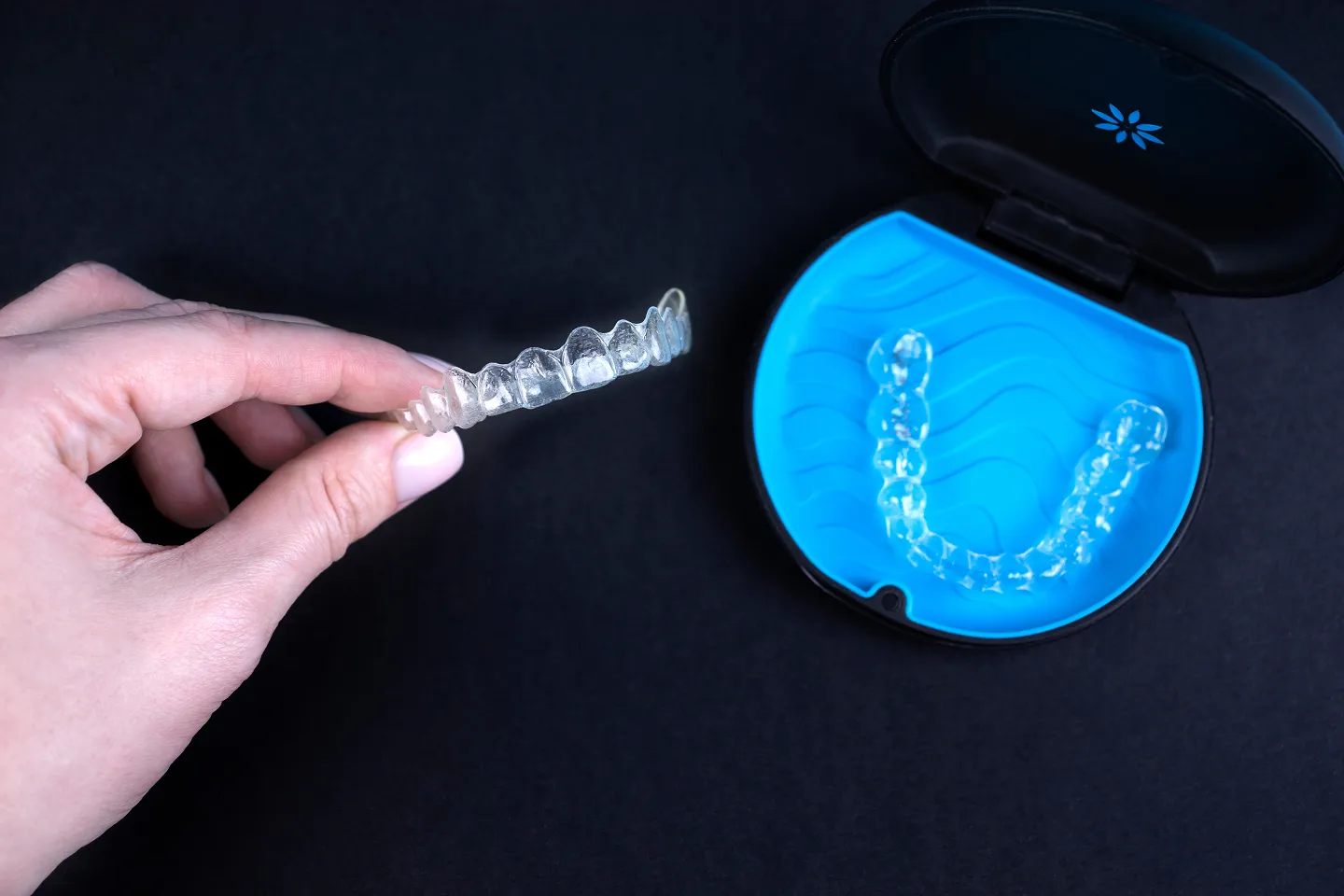
For a long time, the consensus in the dental world was that clear aligners were strictly for cosmetic touch-ups. They were seen as tools for fixing a slightly crooked front tooth or closing a small gap. If you had a complex bite issue or severe crowding, traditional metal braces were seen as the only real solution.
However, technology has moved fast. Today, at Medford Square Dentistry and Implant, we see patients with significant orthodontic challenges achieve incredible results using Invisalign. The answer to whether it can fix severe misalignment is no longer a simple no. It is a resounding yes, provided the right technology and expertise are applied.
Evolution of the Clear Aligner
The reason Invisalign can now handle tougher cases comes down to three major advancements in the field.
- SmartTrack Material: This proprietary plastic provides a more constant, gentle force than older materials. This allows for much better control over complex tooth movements.
- SmartForce Attachments: These are small, tooth colored bumps bonded to your teeth during treatment. They act like handles, giving the aligners something to push against to achieve rotations and lifts that were previously impossible.
- Proprietary Software: We can now map out every microscopic movement in a 3D digital space before you even put in your first tray. This level of planning is essential for complex cases.
Complex Issues Invisalign Can Address
While every mouth is unique, Invisalign is now regularly used to treat several types of severe misalignment that were once reserved for braces.
1. Severe Crowding
When there simply is not enough room in the jaw for all the teeth to fit naturally, they overlap and twist. In the past, this often required tooth extractions and heavy metal wires. Now, through a process of careful expansion and the use of attachments, Invisalign can often create the necessary space and guide those crowded teeth into a perfect arch.
2. Significant Overbites and Underbites
Bite issues involve more than just straight teeth. They involve how the upper and lower jaws sit together. By using mandibular advancement features or specialized elastics similar to those used with traditional braces, Invisalign can help shift the jaw position to correct overbites, underbites, and crossbites.
3. Large Gaps or Diastema
While closing a small gap is easy, closing large spaces across the entire mouth requires moving the roots of the teeth, not just tipping the tops. The advanced software allows us to move teeth bodily. This ensures they stay upright and stable as the gaps close.
4. Open Bites
An open bite occurs when the upper and lower teeth do not touch, even when the mouth is closed. This is one of the most difficult issues to treat. Invisalign is often actually more efficient than braces for this because it can push the back teeth to help the front teeth close together.
When Braces Might Still Be Better?
Even with all this progress, there are still instances where traditional braces or a hybrid approach might be the better choice. Very severe skeletal issues where the jawbone itself is significantly misaligned may require oral surgery or the heavy-duty leverage that only metal brackets can provide.
Additionally, success with Invisalign on a complex case depends entirely on patient compliance. If you have a severe misalignment, the 22-hour wear rule becomes even more critical. There is zero margin for error when you are moving teeth over long distances.
Frequently Asked Questions
Q: Will severe cases take longer with Invisalign than braces?
A: Not necessarily. In many cases, Invisalign can be faster because it moves all the teeth simultaneously rather than in stages. However, complex cases will generally have a longer timeline than simple ones, regardless of the method used.
Q: Are attachments noticeable on front teeth?
A: Attachments are made of a composite material matched to your tooth color. While they are not invisible, they are very discreet. Most people will not notice them unless they are looking very closely.
Q: Do I need to see a specialist for severe cases?
A: It is important to see a provider who has significant experience with complex Invisalign cases. Look for a practice that uses the latest scanning technology and has a proven track record of treating more than just simple crowding.
Q: Can Invisalign fix a midline that does not align?
A: Yes. By using specialized attachments and sometimes dental elastics, we can shift the entire row of teeth to ensure your smile is perfectly centered.
Start Your Transformation
Severe misalignment can affect your speech, your ability to chew, and your self-esteem. You do not have to settle for a smile that makes you want to hide. With the modern capabilities of Invisalign and the experienced team at Medford Square Dentistry and Implant, the smile you thought was impossible might be just a few trays away.


Hours
Monday–Friday: 9 AM - 5 PM
Saturday: 9 AM - 3 PM
Sunday: Closed


© 2025 Medford Square Dentistry & Implants | All Rights Reserved | Privacy Policy | HIPAA Policy | Website Design by Remedo