
Dental Implant Healing Stages: Week-by-Week Recovery Timeline
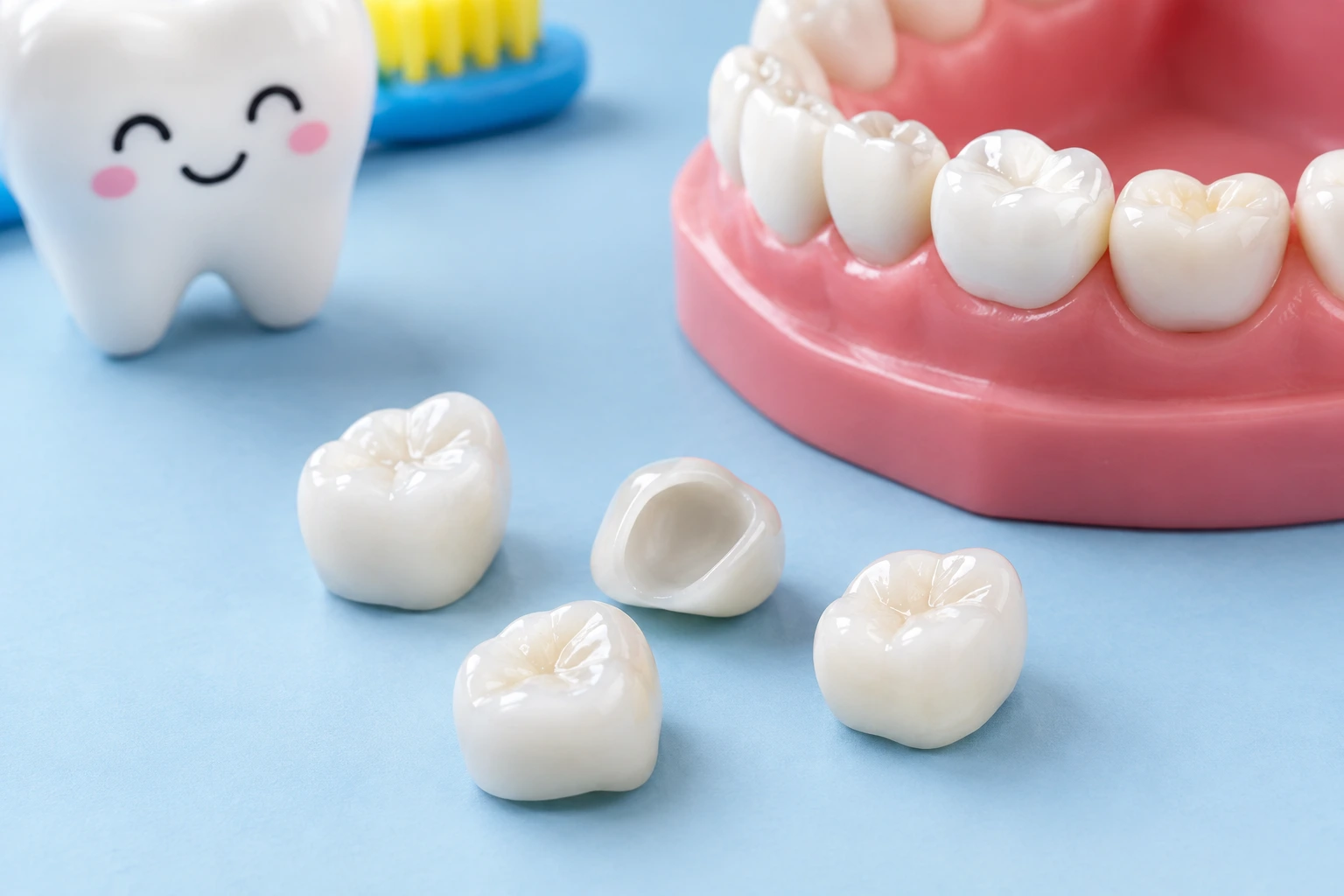
Walking out of the dental office after getting an implant placed can bring on a mix of relief and curiosity. You finally tackled that missing tooth, the procedure is wrapped up, and now you are back home on the couch. Naturally, your mind wanders to the days ahead. You might catch yourself wondering: How bad is the swelling going to get? When can I eat real food again? Is this dull ache normal for day three?
It is completely fair to want a clear picture of what comes next. While dental implant surgery is a routine procedure, it is still surgery. Your gum tissue needs time to close up, and deep inside your jaw, an amazing biological process is quietly kicking off to anchor that new artificial root.
Let's walk through the actual recovery timeline, week by week. Knowing what to expect takes the guesswork out of healing so you can relax and focus on getting back to your normal routine.
The Big Picture: How Healing Actually Works
Before diving into the day-to-day details, it helps to understand the two main phases of implant recovery.
First, you have soft tissue healing. This is the part where your gums close up over the surgical site and the surface soreness fades away. That usually happens within the first couple of weeks.
Second, you have osseointegration, the real magic show. This is the process where your living jawbone slowly grows up against and fuses with the titanium or zirconia post. It is what turns a simple implant post into a rock-solid artificial tooth root. That bone fusion takes a few months, but don't worry, you won't feel it happening day to day.
Week 1: The Initial Healing Phase
The first seven days are all about managing the immediate aftermath of the surgery and allowing the surgical site to begin healing.
What to Expect
During the first couple of days, it is completely normal to experience some swelling around your cheeks or jaw, mild bruising, and a dull, throbbing ache near the implant site. Your body is sending extra blood flow to the area to start the repair work. The peak of the swelling usually hits around day two or three, and then it should steadily start going down.
Pain Management
You don't have to just grin and bear it. We will give you clear instructions on managing any discomfort, which often includes over-the-counter pain relievers like ibuprofen. If we prescribed any specific medications or mouth rinses, make sure to use them exactly as directed.
Eating and Drinking
For the first week, your menu needs to be gentle. Stick to cool or lukewarm soft foods like scrambled eggs, yogurt, smoothies, mashed potatoes, and soups. Avoid using a straw during the early healing period if your dental team advises against it, as suction can disturb the surgical site. Drink straight from a glass instead.
Oral Hygiene
Keep your mouth clean, but give the implant site some personal space. Brush and floss the rest of your teeth as normal, but avoid brushing directly over the surgical site for the first few days. We may recommend a gentle antimicrobial rinse to keep bacteria at bay without disturbing the area.
Week 2: Turning the Corner
By the time week two rolls around, the heavy lifting of early recovery is usually in the rearview mirror.
What to Expect
The swelling should be mostly gone by now, and that annoying, heavy ache should fade into a very mild tenderness. If you look closely in the mirror, the gum tissue around the post should be looking much calmer and starting to close up nicely.
Adjusting Your Routine
If you had temporary stitches that weren't the self-dissolving kind, this is usually when you come back in for a quick checkup to have them removed. You can also start cautiously expanding your food choices, though you still want to avoid hard, crunchy, or sharp foods that could jab the healing gums. Keep chewing on the opposite side of your mouth for now.
Weeks 3 to 4: Surface Recovery Complete
As you round out your first month, your mouth is wrapping up the visible, surface-level part of the healing process.
What to Expect
By week three or four, your gums should feel pretty much back to normal. The tenderness is usually gone entirely, and you can brush the area much more comfortably. Beneath the surface, however, the real work is just getting started. Your jawbone is quietly beginning to fuse with the implant post.
Months 2 to 6: The Bone Fusion Phase
This is the longest stretch of the timeline, but it is also the easiest for you as a patient.
What to Expect
Aside from keeping up with your regular brushing and flossing, you won't feel much happening during these months. The titanium post is sitting quietly in your jaw while bone cells weave tightly around it.
Once we confirm through imaging that the bone has fully integrated with the post, you will return for the final steps. We will attach a small connector piece called an abutment, take an impression, and place your custom-crafted crown on top. Once that crown is locked in, your replacement tooth can look, feel, and function much like a natural one.
When to Call the Office
While minor aches and swelling are totally normal parts of the healing timeline, certain symptoms are not. Reach out to us right away if you notice:
- Severe or worsening pain that doesn't respond to medication after the first few days.
- Swelling in your face that gets bigger after day three instead of shrinking.
- A fever or chills.
- The implant post feels loose or wobbly in the jaw.
We are always here to check things over and give you peace of mind.
Ready to give your smile the expert care it deserves? Schedule your visit today at Medford Square Dentistry & Implants in Medford, MA, and let us help you get back to a comfortable, healthy smile.
Frequently Asked Questions
Q: Is dental implant surgery painful?
A: The procedure itself is performed under local anesthesia, so you shouldn't feel sharp pain while it happens, mostly just some pressure. Afterward, as the numbness wears off, you can expect some mild to moderate soreness that is often manageable with medication.
Q: Can I smoke during the recovery timeline?
A: It is strongly recommended that you avoid smoking throughout your recovery. Nicotine restricts blood flow to your gums and jaw, which can interfere with healing and may increase the risk of implant complications.
Q: How long until I get my final tooth?
A: The entire process usually takes anywhere from three to six months. This waiting period allows time for the jawbone to integrate with the implant post before it has to handle the full force of chewing.
Q: What foods should I definitely avoid during the first week?
A: Stay away from anything hard, crunchy, sticky, or spicy. Skip chips, nuts, raw carrots, popcorn, and chewy candies. Follow your dental team's specific instructions about drinking through a straw during the early healing period.


Hours
Monday–Friday: 9 AM - 5 PM
Saturday: 9 AM - 3 PM
Sunday: Closed


© 2025 Medford Square Dentistry & Implants | All Rights Reserved | Privacy Policy | HIPAA Policy | Website Design by Remedo