Dental Implant Maintenance: Daily Habits That Help Them Last for Decades
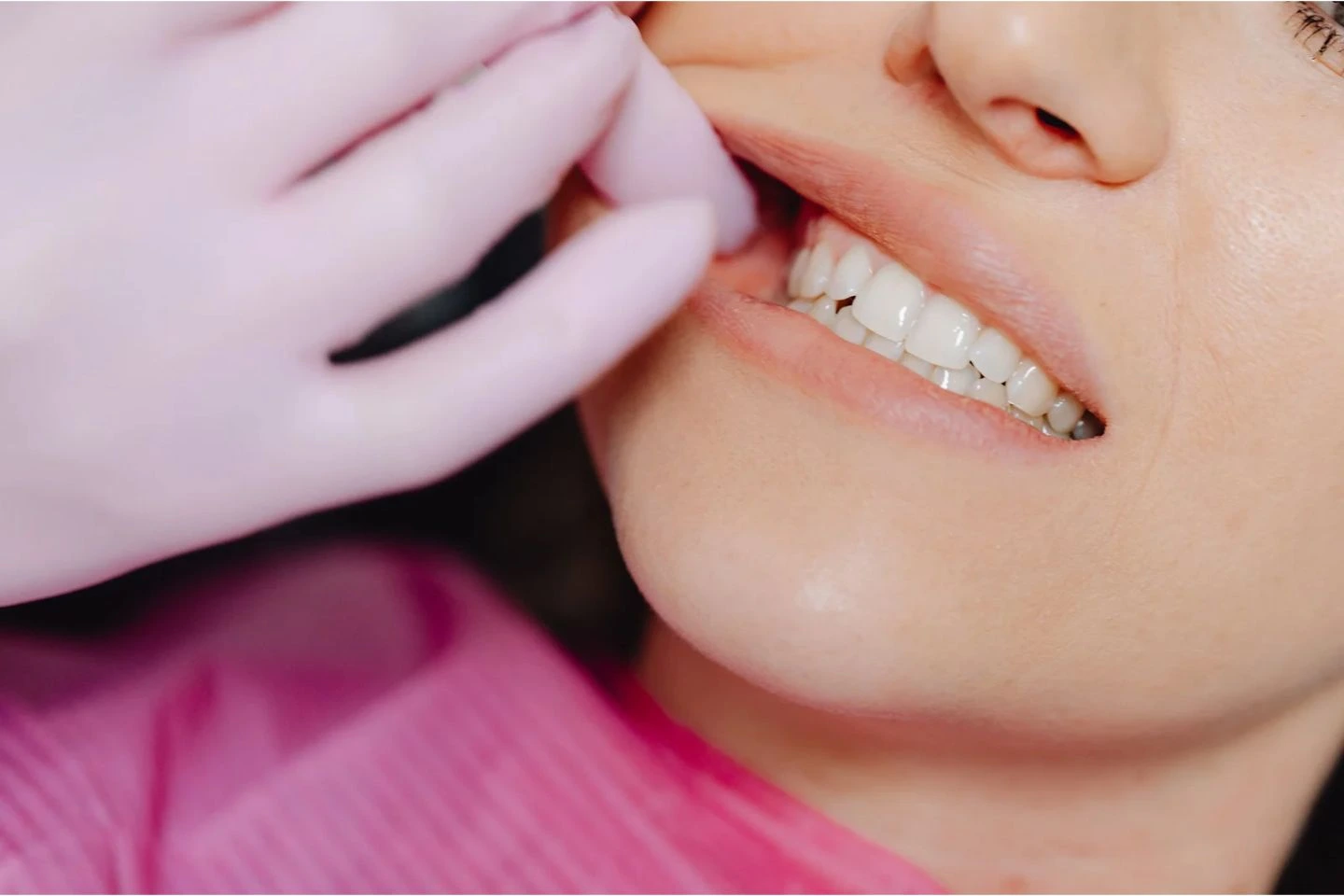
Getting dental implants is one of the best choices you can make for a missing tooth. Unlike partial dentures that shift around or bridges that require cutting down healthy teeth next door, implants act just like real tooth roots anchored into your jaw. You get to eat normally, speak without worrying, and smile without hiding your mouth.
It is easy to assume that because an implant is made of metal and porcelain, you can just set it and forget it. While the implant itself cannot get a cavity, the living gums and bone supporting it can still get infected. Without daily attention, even a well-placed implant can run into serious trouble over time.
If you are thinking about getting or already have a dental Implant in Medford, MA, building a solid daily routine is the real trick to helping it last. A few simple habits every morning and night can help protect your implant over time.
At Medford Square Dentistry & Implants, we help patients throughout Medford keep their restored teeth clean, stable, and comfortable for the long haul.
Why Keeping Your Implants Clean Actually Matters
When you get an implant, your jawbone naturally fuses directly to the titanium post over a few months. That gives you a solid base that can feel natural. But the way your gums attach to an implant is a bit different than how they attach to a real tooth.
Real teeth are held by tiny ligaments packed with blood vessels that help support the tissues around the tooth. Implants do not have those ligaments. Instead, the gum tissue creates a seal around the post.
When plaque sits around your gumline for too long, bacteria can build up around that seal. First, you get mild inflammation called peri-implant mucositis. It causes slight swelling or bleeding, and it may be reversible if you catch it early. If you ignore it, inflammation can move deeper into the tissues around the implant. That condition is called peri-implantitis, and it can damage the bone supporting your implant, which can eventually affect the stability of the implant.
The good news is that stopping this from happening does not require any fancy tricks. It just takes consistent daily habits.
Simple Daily Habits for Healthy Implants
Taking care of an implant is pretty similar to brushing a natural tooth, but a few small adjustments in your routine make a big difference.
Use a Soft Brush and Take It Easy
Brushing twice a day is a must, but scrubbing too hard can do more harm than good. Hard bristles can scratch your porcelain crown or irritate the delicate gum tissue around the implant. Use a soft manual toothbrush or an electric one with a soft head. Angle the bristles at 45 degrees where the crown meets your gums, and move in small circles instead of sawing back and forth. Also, try to use a non-abrasive toothpaste so you do not dull the shine on your crown.
Floss Carefully Around the Base
String floss works great, but you have to be gentle. Slide the string down the side of the crown, wrap it loosely around the post, and move it up and down to wipe away sticky film. Do not snap the floss hard into your gums because that can irritate the protective tissue around the post. If regular floss feels awkward or shreds easily, try using a thick spongy floss made specifically for dental bridges and implants.
Try a Water Flosser
Water flossers use a steady stream of water to help remove trapped food and bacteria hidden under the gumline. They can be useful for cleaning tricky spots around single implant crowns or full arch bridges. Running a water flosser once a day can help clean areas that regular string floss may miss.
Pick an Alcohol Free Rinse
Using an antibacterial mouthwash can help keep bacteria low across your entire mouth. Just make sure to pick one without alcohol if recommended by your dental team. Alcohol can contribute to dry mouth in some people, and having less saliva can affect the oral environment.
Habits That Hurt Your Implants
Knowing what to avoid is just as important as knowing what to do. A few bad habits can put too much stress on your new teeth:
- Chewing on hard objects: Never use your implants to crack open nuts, crunch on ice cubes, or tear open plastic packaging. The crown is strong, but extreme pressure can chip the porcelain.
- Clenching or grinding your teeth: If you grind your teeth at night, that heavy crushing force can loosen internal implant screws or break the crown. Wearing a custom nightguard may help protect your restoration while you sleep.
- Smoking: Tobacco can restrict blood flow to your gums and may make it harder for your body to respond to infection. Smoking is an important risk factor for peri-implant disease.
Don't Skip Professional Cleanings
Even if you brush and floss perfectly at home, microscopic plaque eventually hardens into tartar in spots you cannot reach. You cannot brush tartar away on your own.
Regular professional cleanings and implant checkups are important. Your dental team can use appropriate instruments to remove buildup without damaging implant surfaces. Your dentist may also take routine X-rays when needed to check the bone around the implant and make sure everything remains stable.
Reliable Implant Care in Medford, MA
Getting a dental implant changes how you eat, talk, and feel about your smile. Spending just two or three minutes cleaning it properly every day can help protect that investment over time.
If you need advice on caring for your Dental Implant in Medford, MA, or if you are due for a routine checkup, Medford Square Dentistry & Implants is here to help. Located in Medford, MA, our office provides friendly, complete dental care to keep your smile healthy. Contact our Medford office today to book your visit.
Frequently Asked Questions
Q: Can dental implants develop cavities?
A: No. The materials used to make implant crowns cannot decay. However, the living gums and bone around the implant can still become inflamed or infected if plaque sits on them.
Q: How often do I need to get my dental implants checked?
A: You should follow the checkup and cleaning schedule recommended by your dentist. Regular professional visits allow your dental team to monitor the implant, surrounding gums, and bone.
Q: What are the main signs of an implant infection?
A: Redness, swollen gums, bleeding when you brush, persistent bad breath, or a loose feeling around the crown can be warning signs. Call your dentist if you notice any of these.
Q: Can I use an electric toothbrush on my implant?
A: Yes. Electric toothbrushes can be used around implants. Just use a soft brush head and let the vibrations do the work without jamming it hard into your gums.
Q: Why does food keep getting stuck next to my implant?
A: Implants are shaped slightly differently from natural tooth roots, which can create small spaces where food collects. Using a water flosser or a small interdental brush can help clear those spots out.


Hours
Monday–Friday: 9 AM - 5 PM
Saturday: 9 AM - 3 PM
Sunday: Closed


© 2025 Medford Square Dentistry & Implants | All Rights Reserved | Privacy Policy | HIPAA Policy | Website Design by Remedo