
What Happens If You Delay Replacing a Missing Tooth
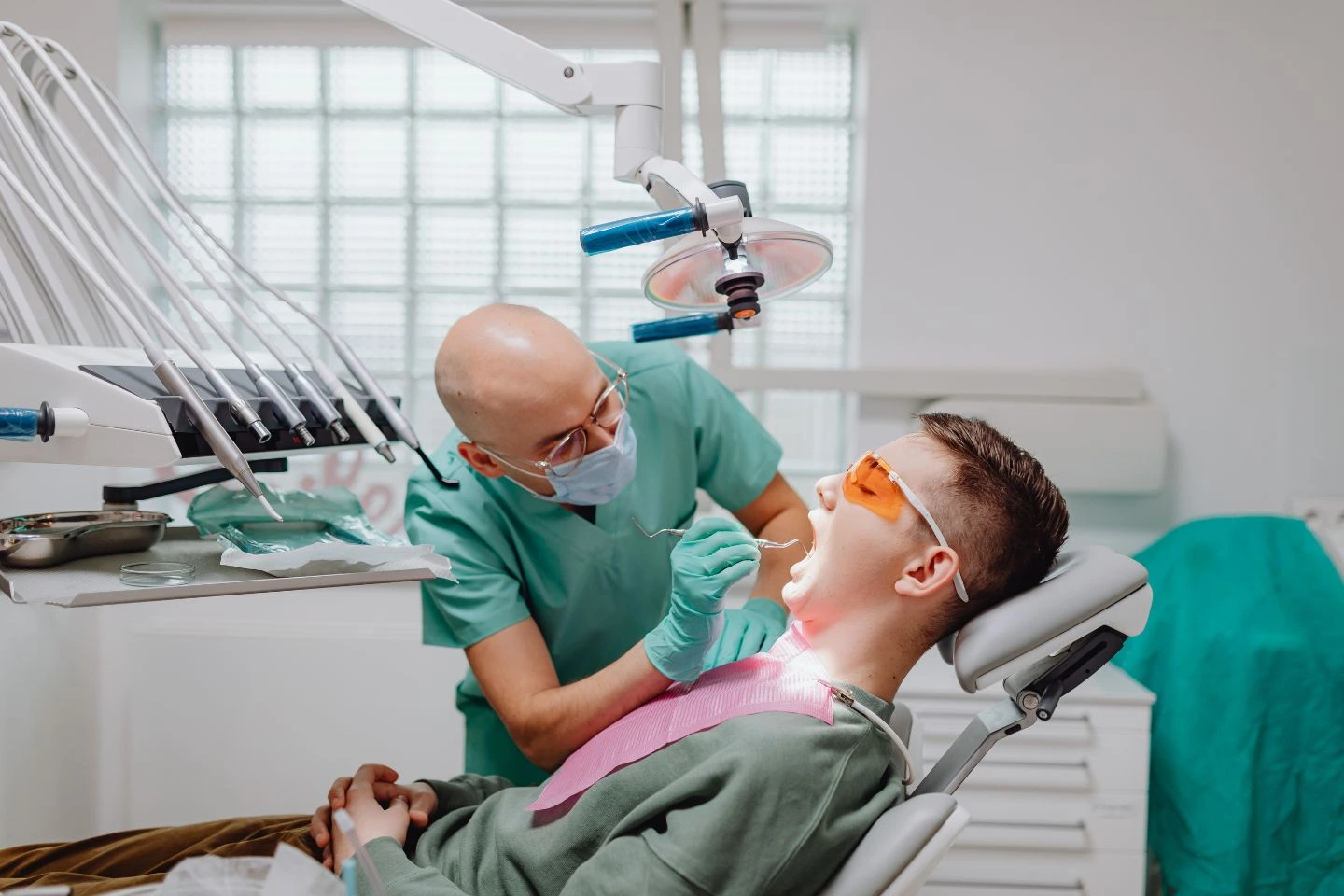
Life moves fast, and when a tooth gets knocked out, extracted, or lost to decay, it is easy to put off dealing with it. Maybe the gap is tucked quietly toward the back of your mouth where nobody notices when you laugh. Or perhaps you figured you would just deal with the paperwork and appointments sometime down the road when things slow down.
Ignoring a missing gap feels harmless at first. After all, you can still chew most of your food, and nobody is staring at the empty space. But beneath the surface, your mouth is a dynamic, interconnected ecosystem. When a single piece goes missing, the rest of the neighborhood starts to shift.
Waiting too long to replace a missing tooth can trigger a domino effect of dental issues that go far beyond aesthetics. Let’s take a realistic look at what actually happens when you delay treatment, how your jawbone changes over time, and why getting a dental implant in Medford, MA, can help protect your long-term oral health before minor gaps turn into major headaches.
The Hidden Domino Effect of a Missing Tooth
Your teeth rely entirely on each other for structural support. Think of them like a row of books packed tightly together on a shelf. If you pull one book out of the middle, the surrounding volumes don't just stay put. They lean, tilt, and drift into the empty space.
When you lose a tooth, the adjacent teeth can begin shifting toward the gap. They don't do this maliciously. They are just reacting to the sudden lack of lateral pressure. As teeth tilt sideways, they create awkward food traps that are notoriously difficult to clean with floss, making them prime targets for decay and gum disease.
Meanwhile, the opposing tooth in the upper or lower jaw loses its partner. Without something to bite against when you chew, that opposing tooth can actually start erupting further out of its socket, a phenomenon dentists call super-eruption. This can affect the surrounding structures and may contribute to changes in your bite alignment.
What Happens to Your Jawbone?
Perhaps the most significant consequence of waiting to replace a missing tooth happens out of sight beneath the gum line.
Your jawbone relies on the constant physical stimulation of chewing to maintain its density and strength. Every time you bite down, the roots of your teeth transmit force into the bone, signaling your body to continuously supply nutrients and rebuild bone tissue.
When a tooth root is gone, that stimulation stops. Without it, your body assumes the bone in that specific area is no longer needed. Through a natural process called resorption, the body begins breaking down and reabsorbing the jawbone tissue.
The numbers are striking. Within the first year alone following a tooth loss, the jawbone can lose a significant portion of its width and height in that area. Over time, this bone loss can change the structural support for your facial muscles. It may contribute to changes in facial appearance around the mouth.
Why Timing Matters for Treatment
Putting off a replacement doesn't just make your mouth more vulnerable. It can actually make future dental procedures more complicated.
When bone resorption is allowed to progress unchecked for years, there might no longer be enough solid bone mass left to anchor a replacement securely. If you decide you want a permanent solution down the road, you might need a preliminary bone grafting procedure to rebuild the jaw before a replacement can even be placed.
Addressing the gap sooner rather than later helps preserve your existing bone structure, keeps your natural bite aligned, and often makes the restoration process much smoother and more straightforward.
The Gold Standard: Why Implants Stand Out
When patients ask about the best way to replace a missing tooth, modern dentistry often points toward titanium or zirconia implants. A dental implant is designed to mimic the function of a natural tooth more closely than many other replacement options.
Unlike a traditional dental bridge, which relies on neighboring teeth for support, an implant stands independently. A small, biocompatible post is placed into the jawbone, where it can integrate over a period of months to act as an artificial root. Once healed, a custom-crafted crown is attached on top.
Because the implant replaces both the visible crown and the missing root, it can provide stimulation to the jawbone and help reduce the bone loss associated with tooth loss. It can look, feel, and function much like a natural tooth, letting you eat your favorite foods, speak clearly, and smile with confidence.
Schedule your visit today at Medford Square Dentistry & Implants in Medford, MA, and let us help you get back to a comfortable, healthy smile.
Frequently Asked Questions
Q: Can I really wait years before replacing a missing tooth?
A: While you can physically wait, it is strongly discouraged. The longer you wait, the more the surrounding teeth may shift, and the more bone mass your jaw may lose in that area, which can complicate future treatments.
Q: Does getting a dental implant hurt?
A: The procedure is performed using local anesthesia to keep the area completely numb, so you should feel pressure rather than sharp discomfort during the visit. Most patients report that recovery is easier than they originally expected.
Q: Are dental implants noticeable when I talk or laugh?
A: Not usually. Implants are custom-designed to match the shade, shape, and appearance of your natural teeth, making them difficult to distinguish from the rest of your smile.
Q: What if I don't have enough jawbone left for an implant?
A: Even if some bone loss has occurred due to a delayed replacement, you may still be a candidate for an implant. Additional procedures like bone grafting can sometimes rebuild the necessary support before an implant is placed.


Hours
Monday–Friday: 9 AM - 5 PM
Saturday: 9 AM - 3 PM
Sunday: Closed


© 2025 Medford Square Dentistry & Implants | All Rights Reserved | Privacy Policy | HIPAA Policy | Website Design by Remedo