
What Happens If You Don’t Wear Invisalign 22 Hours a Day?
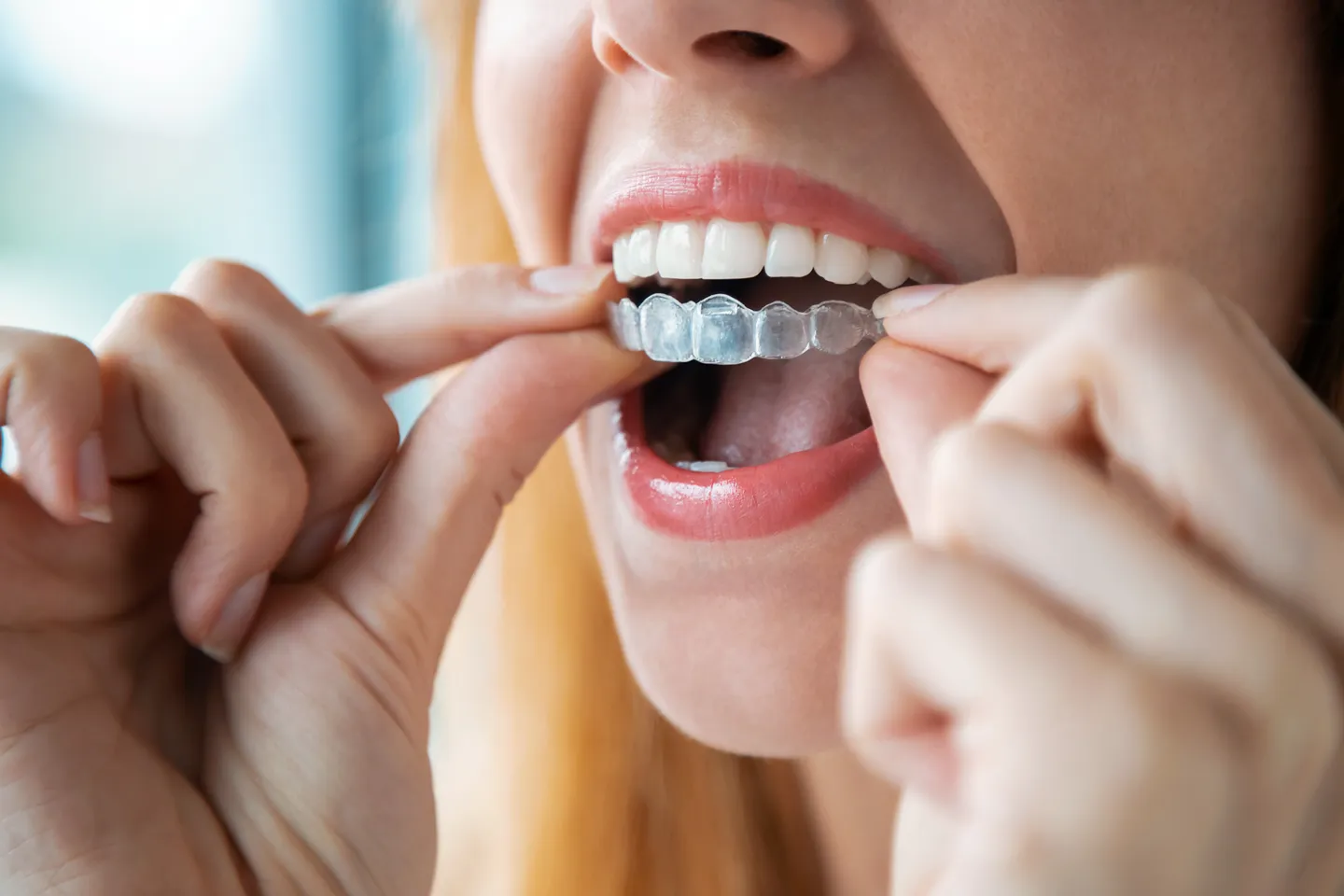
Choosing Invisalign is an exciting step toward the smile you have always wanted. Unlike traditional braces, these clear aligners offer a level of freedom that is hard to beat. You can eat what you want, brush your teeth easily, and take photos without a mouth full of metal. However, that freedom comes with a significant responsibility: the 22-hour rule.
At Medford Square Dentistry and Implant, we often hear from patients who wonder if those extra couple of hours really matter. Maybe you left them out a bit too long during a wedding, or perhaps you fell asleep before putting them back in after dinner. While life happens, consistently missing that 22-hour window can significantly impact your results.
The Science of Tooth Movement
To understand why the 22-hour mark is so critical, it helps to understand how Invisalign actually works. Your aligners are not just plastic covers for your teeth. They are engineered medical devices designed to apply constant, controlled pressure to specific teeth at specific times.
When you wear your aligners, they gently push your teeth toward their new positions. This pressure causes a process called bone remodeling. On one side of the tooth, the bone breaks down to allow movement. On the other side, new bone grows to fill the gap and stabilize the tooth.
This process requires consistency. If the pressure stops for too long, your teeth do not just stay still. They begin to drift back toward their original, more comfortable positions. This is known as orthodontic relapse, and it can happen much faster than you might think.
Why 22 Hours is the Magic Number?
You might be thinking that 20 hours or even 18 hours sounds like enough. After all, that is still most of the day. However, the 22-hour guideline is based on extensive clinical data.
The two hours you are allowed without aligners are strictly intended for eating, drinking anything other than water, and performing your oral hygiene routine. When you push beyond that limit, you are effectively giving your teeth a break from the work they are supposed to be doing.
The Tug of War Effect
Think of Invisalign like a game of tug of war. When the aligners are in, you are winning the game and moving the teeth toward the finish line. When the aligners are out, your teeth start pulling back. If you leave them out for four or five hours a day, you are essentially spending a quarter of your treatment time letting your teeth move backward. This makes the remaining hours less effective because they have to spend time undoing the drift before they can start making progress again.
Common Consequences of Not Meeting the Goal
If you consistently fall short of the 22-hour requirement, you will likely notice a few specific issues.
1. Discomfort and Tightness
The most immediate sign that you have not been wearing your aligners enough is how they feel when you finally put them back in. If they feel exceptionally tight or cause significant aching, it is because your teeth have already shifted away from the aligner’s shape. While some pressure is normal with a new tray, excessive pain during a tray you have been wearing for a week is a red flag.
2. The Tracking Issue
In the world of clear aligners, tracking refers to how well the plastic fits against your teeth. When you wear them for 22 hours, the teeth fit perfectly into the tray. If you wear them less, a small gap begins to form between the edge of your tooth and the bottom of the aligner. Once your teeth stop tracking, the aligner can no longer apply the correct pressure, and the entire treatment plan begins to stall.
3. Extended Treatment Time
This is the consequence most patients want to avoid. If your teeth do not move as planned, your dentist will have to keep you in the same set of trays for longer. What was supposed to be a twelve-month journey could turn into eighteen or twenty months. At Medford Square Dentistry and Implant, our goal is to get you your dream smile as efficiently as possible, but that requires a partnership between our team and your habits.
4. Extra Costs for Refinements
If the tracking becomes poor enough, we may need to take new scans and order a completely new set of mid-course correction trays. Depending on your specific plan, this could lead to additional lab fees and more appointments, adding an unexpected financial burden to your treatment.
How to Stay on Track?
We know that life is busy and habits can be hard to form. Here are some practical tips to help you hit that 22-hour goal every single day.
- Use a Timer: Every time you take your aligners out to eat, start a timer on your phone. It is very easy to lose track of time during a long lunch or a coffee break. Seeing the clock tick can serve as a gentle nudge to wrap up and go brush.
- The Invisalign App: There are several apps designed specifically for clear aligner patients. They allow you to log your wear time, remind you when to switch to new trays, and even let you upload photos to track your progress.
- Multitask Your Cleaning: When you sit down for a meal, place your aligners in a cleaning solution or a glass of water with a cleaning tablet. By the time you are done eating and brushing, your aligners will be fresh and ready to go back in.
- Keep Your Case With You: Never put your aligners in a napkin. This is the number one way they get thrown away. Keeping your case in your pocket or bag ensures you always have a safe place for them, making the transition back into your mouth much faster.
What to Do If You Slip Up?
If you have a bad day where you only wore your aligners for 15 hours, do not panic and do not give up. The worst thing you can do is decide that since you messed up one day, the whole week is ruined.
Instead, add an extra day or two to your current tray cycle. For example, if you usually switch trays on Sunday but you missed significant time during the week, wait until Tuesday or Wednesday to move to the next set. This gives your teeth the necessary time to catch up. Always feel free to call us at Medford Square Dentistry and Implant if you are unsure whether you should move forward or stay put.
Frequently Asked Questions
Q: Can I drink coffee with my aligners in?
A: No, coffee can stain the plastic, and the heat may warp the trays. Always remove them for anything other than plain water.
Q: Is 20 hours a day enough?
A: While better than nothing, 20 hours often leads to tracking issues. Stick to 22 hours to keep your treatment on schedule.
Q: What if I lose my aligners?
A: Contact us immediately. We will advise you whether to wear your previous set or move to the next one to prevent your teeth from shifting.
Q: Do I have to wear them while I sleep?
A: Absolutely. Sleep provides the most consistent block of wear time and is crucial for the success of your treatment.
Q: Can I skip a day for a special event?
A: It is not recommended. If you must have them out for a wedding or photo, try to put them back in as soon as possible and add an extra day to that tray cycle.
Your Partners in a Perfect Smile
At Medford Square Dentistry and Implant, we are here to support you through every stage of your Invisalign treatment. We provide the technology and the expertise, but you provide the consistency that makes the magic happen. If you are struggling with your wear time or if you have questions about how your trays are fitting, we want to hear from you.
By sticking to the 22-hour rule, you are taking the shortest and most effective path to a healthy, beautiful smile. It might require some planning and a bit of willpower, but we promise the results are worth every minute.


Hours
Monday–Friday: 9 AM - 5 PM
Saturday: 9 AM - 3 PM
Sunday: Closed


© 2025 Medford Square Dentistry & Implants | All Rights Reserved | Privacy Policy | HIPAA Policy | Website Design by Remedo