What to Eat After Wisdom Teeth Removal: Best Soft Foods
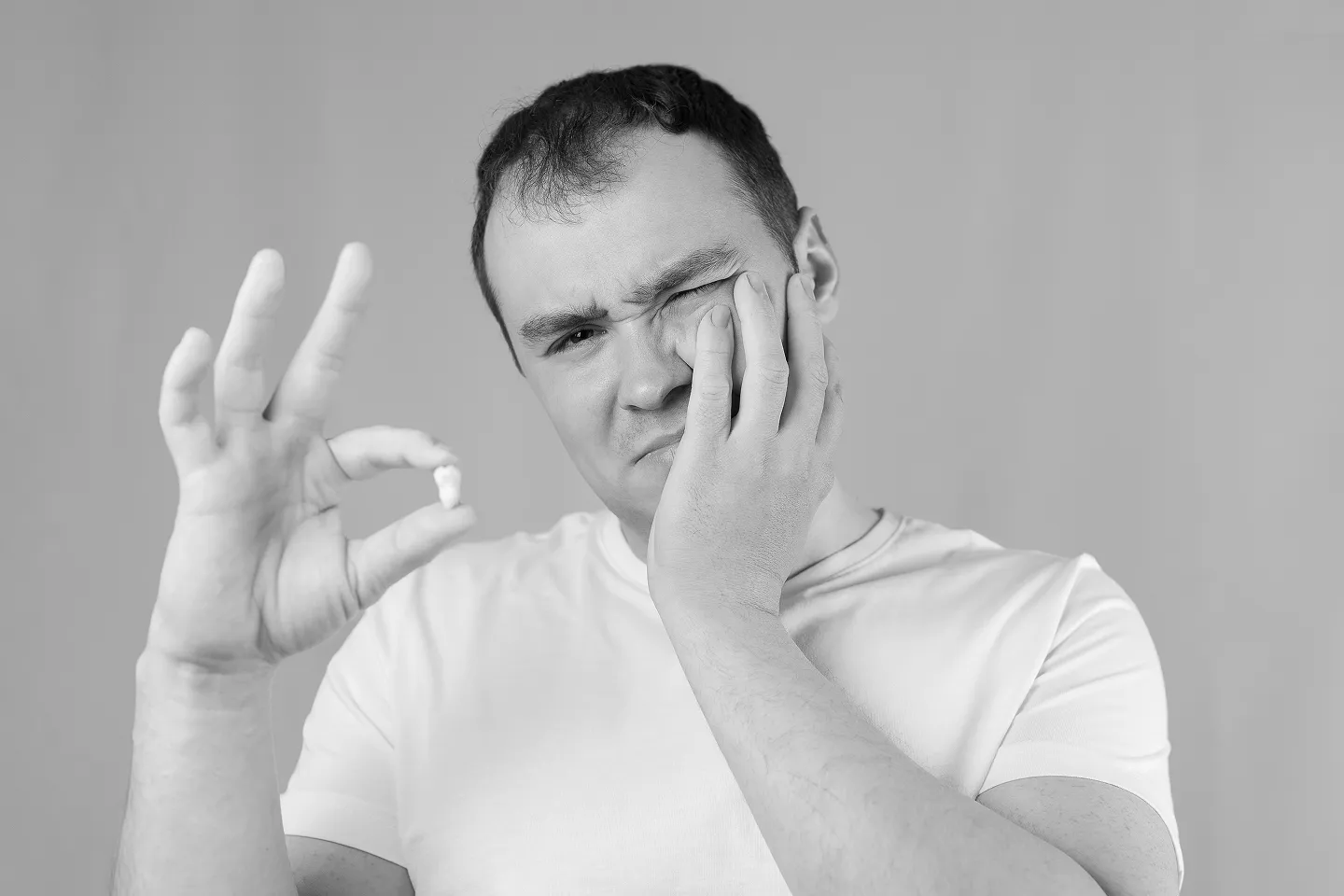
It finally happened. You made it through the appointment, the anesthesia is wearing off, and those pesky wisdom teeth are officially a thing of the past. You get home, settle into your favorite spot on the couch with an ice pack pressed against your cheek, and then it hits you. You are starving.
The problem is that your mouth feels like it belongs to someone else. It is puffy, tender, and the thought of chewing anything remotely solid feels like an impossible task. This is the classic post-extraction dilemma. You need nutrients to heal, but you cannot risk irritating the surgical sites or, worse, dislodging the blood clot that is working hard to protect your jaw.
Getting your diet right during the first few days of recovery is the difference between a smooth healing process and a week of avoidable discomfort. Let's walk through how to navigate the kitchen while your mouth is on the mend.
The First 24 Hours Keeping It Cold and Easy
The first day is all about stability. Your body is focused on stopping the bleeding and forming a protective barrier over the empty tooth socket. This is not the time for adventure. You want foods that require zero effort to swallow and provide a cooling sensation to help manage the initial swelling.
Smoothies and Shakes
A cold smoothie is often the highlight of day one. It provides vitamins and hydration while soothing the inflamed tissue. However, there is a massive catch: you must eat it with a spoon. Using a straw creates suction in the mouth that can pull the blood clot right out of the socket, leading to a very painful condition called dry socket. Stick to a spoon and avoid adding tiny seeds like strawberry or chia seeds, as they can get trapped in the extraction site.
Greek Yogurt and Pudding
Yogurt is a fantastic choice because it is packed with protein and calcium, both of which support bone and tissue repair. The smooth texture means there is no risk of scraping your gums. If you want something a bit more indulgent, pudding or custard can satisfy a sugar craving without requiring any jaw movement. Just make sure they are served cold or at room temperature.
Moving Into Days Two and Three, Adding Some Substance
As you move into the second and third days, you might feel a bit more adventurous. The swelling usually peaks around day two, so while you are still sticking to soft foods, you can start incorporating things that have a bit more "weight" to them to keep you full.
Mashed Potatoes: The Ultimate Comfort Food
Mashed potatoes are the gold standard for dental recovery. They are filling, easy to swallow, and can be seasoned in plenty of ways, so you don't get bored. The key here is texture. Make sure they are whipped until they are completely smooth with no lumps. Also, avoid eating them piping hot. Extreme heat can increase blood flow to the surgical area and cause throbbing. Let them sit until they are lukewarm.
Lukewarm Soups and Broths
Blended soups like tomato, butternut squash, or creamy mushroom are excellent for getting your vegetable intake without the crunch. Broths are also a great way to stay hydrated and get essential minerals. Again, the "no heat" rule applies here. If the soup is steaming, it is too hot for your healing gums.
The Protein Problem: Staying Strong While Healing
One of the biggest complaints people have after a Wisdom Tooth Extraction is that they feel weak because they aren't eating enough protein. Since you can't exactly tuck into a steak, you have to get creative with your sources.
Scrambled Eggs
Eggs are soft, nutritious, and very easy to prepare. Scrambling them with a little bit of milk makes them even fluffier and easier to manage. They are a great breakfast or light dinner option that provides the building blocks your body needs to knit that tissue back together.
Hummus and Avocado
If you are tired of sweet things like pudding and fruit, look toward healthy fats. A ripe avocado can be mashed into a paste and eaten plain or with a bit of salt. Hummus is another protein-rich option that is perfectly smooth. Just be sure to skip the pita bread or chips and eat the hummus with a spoon for now.
What to Avoid: The Red Flag Foods
Knowing what to eat is only half the battle. Knowing what to stay far away from is just as important for your safety. Your mouth is in a vulnerable state, and the wrong snack can set your recovery back by days.
Crunchy and Spicy Items
Chips, nuts, popcorn, and even crusty bread are off limits for at least a week. These sharp edges can poke the healing site and cause bleeding. Similarly, spicy foods can cause an intense burning sensation on the raw tissue, which is the last thing you want when you are already dealing with soreness.
Acidic Drinks and Alcohol
Orange juice, soda, and coffee can be irritating to the extraction site. Alcohol is especially dangerous because it can interfere with any pain medication you are taking and can actually slow down the blood clotting process. Stick to plain water or milk during the initial phase of your General Dentistry recovery plan.
Tips for a Faster Recovery
Beyond just choosing the right foods, how you eat matters. Small bites are your best friend. Try to chew on the opposite side of your mouth from where the teeth were removed. This minimizes the chance of food particles getting lodged in the sockets.
Hydration is also a major player in how fast you heal. Drink plenty of water throughout the day, but remember the rule: no straws! A well hydrated body can manage inflammation much better than a dehydrated one.
FAQ
Q: When can I start eating solid food again?
A: Most people can slowly transition back to semi-solid foods like pasta or soft chicken after about five to seven days. Listen to your body. If it hurts to chew, you aren't ready yet.
Q: Is it okay to eat ice cream?
A: Yes, ice cream is great for the first day because it is cold and soft. Just avoid any flavors with nuts, chocolate chips, or sprinkles that could get stuck in the extraction sites.
Q: Why can't I use a straw?
A: The suction created by a straw can pull the blood clot out of the hole where your tooth used to be. This causes dry socket, which exposes the bone and nerves to air and food, causing intense pain.
Q: Can I eat oatmeal?
A: Oatmeal is okay after the first 24 hours, but make sure it is the instant, smooth kind rather than steel-cut oats, which can be chewy and grainy.
Q: What if food gets stuck in the hole?
A: Do not poke at it with your tongue or a toothpick. Usually, a gentle rinse with warm salt water (after the first 24 hours) will dislodge it safely.
Conclusion
The road to recovery after having your wisdom teeth removed doesn't have to be a miserable one. While you might miss your favorite crunchy snacks for a few days, this is a great time to lean into comfort foods that help your body heal. By focusing on cold, soft, and nutrient-dense options, you are giving yourself the best chance at a quick and painless bounce back.
Remember, the goal is to keep that extraction site clean and undisturbed. Before you know it, the swelling will be gone, the stitches will have dissolved, and you will be back to enjoying all your favorite meals without that nagging wisdom tooth pain hanging over your head.
If you have questions about your upcoming surgery or need a checkup to see how your wisdom teeth are coming in, we are here to help. Reach out to us at Medford Square Dentistry & Implants to set up a consultation and get your oral health back on track.
Ready to take the next step toward a healthy smile? Schedule your appointment for Wisdom Tooth Extraction today and let our experienced team guide you through a comfortable recovery.


Hours
Monday–Friday: 9 AM - 5 PM
Saturday: 9 AM - 3 PM
Sunday: Closed


© 2025 Medford Square Dentistry & Implants | All Rights Reserved | Privacy Policy | HIPAA Policy | Website Design by Remedo