
Dos and Don’ts After Wisdom Teeth Surgery
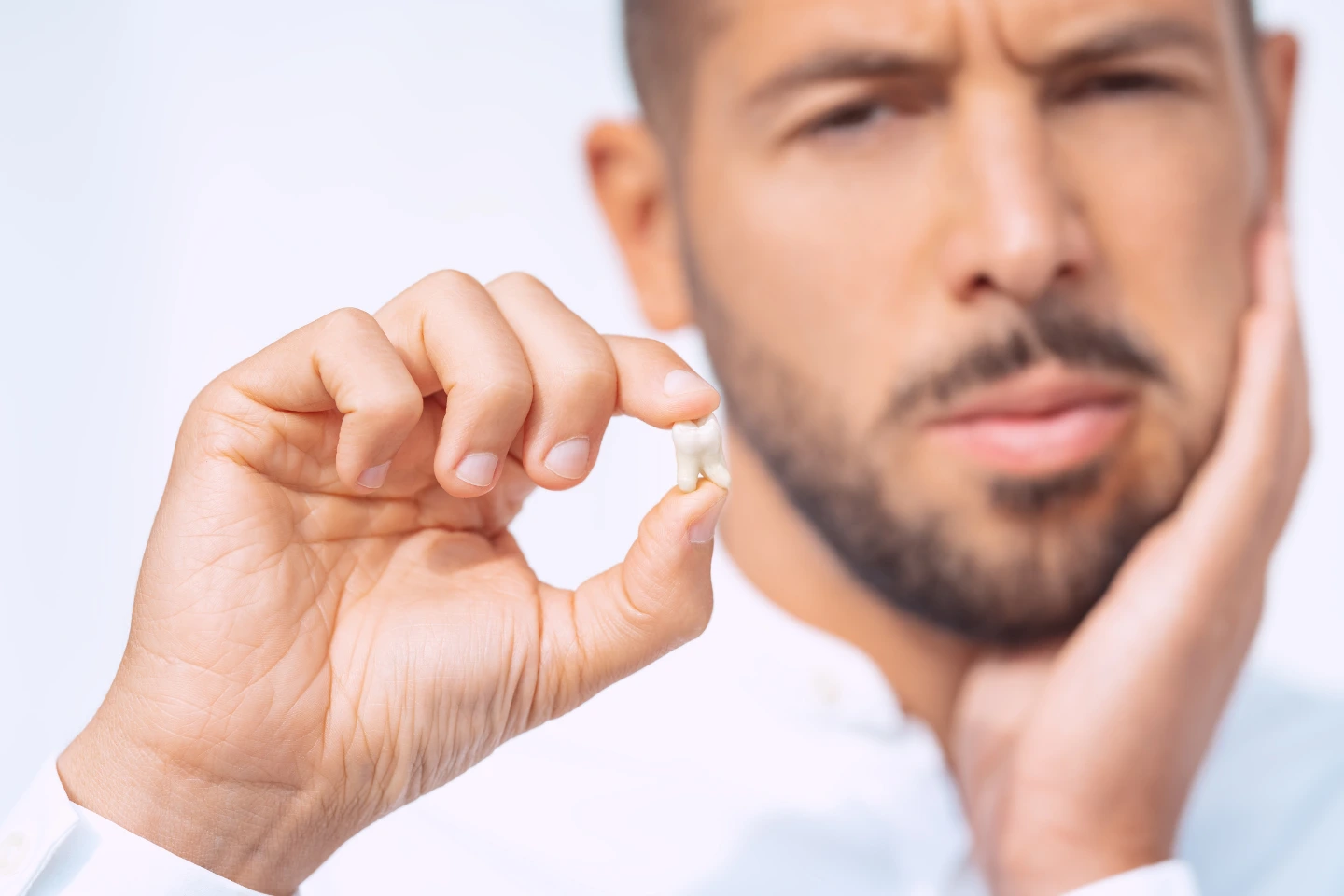
When Jake finally scheduled his wisdom teeth removal, he was mostly thinking about the time he would get to spend playing video games and catching up on sleep. He had heard the horror stories about swelling and pain, but he figured he was young and would bounce back in no time. However, 24 hours after his procedure, Jake found himself in a world of hurt. He had forgotten the instructions his dentist gave him and made the mistake of drinking a milkshake through a straw. Within hours, the dull ache turned into a sharp, radiating pain that no amount of ice could fix. Jake had inadvertently caused a dry socket, a painful complication that turned his relaxing weekend into a dental emergency.
Jake’s story is a classic example of how a few small choices during recovery can make or break your healing process. Wisdom teeth removal is a major milestone for many young adults, and while the surgery itself is routine, the aftercare is where the real work happens. To help you avoid the pitfalls Jake faced, we have put together a comprehensive guide of the essential dos and don’ts following your oral surgery.
The Dos Foundations for a Speedy Recovery
The hours immediately following your surgery are the most critical for setting the stage for healing. Your body is incredibly efficient at repairing itself, but it needs the right environment to do so effectively.
Do Keep the Pressure on Your Gauze
When you leave the office, you will have gauze packs placed over the extraction sites. Your main job is to bite down firmly and steadily on these pads for at least 30 to 45 minutes. This pressure is what encourages a blood clot to form in the empty socket. This clot is like a natural biological bandage that protects the underlying bone and nerves while new tissue grows. If the bleeding persists, replace the gauze with a fresh, damp piece and continue the pressure.
Do Use Ice Religiously for the First Day
Swelling is inevitable, but you can keep it from reaching "chipmunk" proportions by using cold therapy early on. For the first 24 hours, apply an ice pack to the outside of your jaw for 20 minutes, then take it off for 20 minutes. This cycle helps constrict the blood vessels and limits the amount of fluid that rushes to the site. Pro tip: a bag of frozen peas works perfectly because it molds to the shape of your face.
Do Elevate Your Head
It might be tempting to lie flat on your bed to nap, but this can actually increase throbbing and swelling. Keep your head elevated with a few extra pillows, even while you sleep for the first two nights. Keeping your head above your heart level helps reduce the blood pressure in your jaw area, which minimizes discomfort and helps fluids drain away from the surgical site.
The Don’ts What to Avoid at All Costs
Just as important as what you should do is what you must avoid. Most post operative complications are the result of accidental irritation to the healing wound.
Don’t Use a Straw or Spit Forcefully
This was Jake’s biggest mistake. Any action that creates a vacuum or suction in your mouth can dislodge the blood clot from the socket. If that clot is lost, the bone and nerves are exposed to air, food, and liquid, leading to the dreaded dry socket. For at least one week, avoid straws entirely. Similarly, if you need to clear your mouth, lean over the sink and let the liquid fall out gently rather than spitting.
Don’t Smoke or Use Tobacco
Smoking is one of the worst things you can do for oral healing. Not only does the physical act of inhaling create the same dangerous suction as a straw, but the chemicals in tobacco also restrict blood flow and oxygen to the gums. This significantly slows down the healing process and dramatically increases your risk of infection. If there was ever a time to take a break from tobacco, the week after surgery is it.
Don’t Brush the Surgical Site Immediately
While keeping your mouth clean is important, you should not brush directly over the extraction sites for the first 24 hours. You don't want the bristles of your toothbrush to poke the raw tissue or disturb the clot. After the first day, you can resume gentle brushing in the rest of your mouth, but be very careful as you approach the back. Instead of vigorous rinsing, use a gentle warm salt water soak to keep the area clean.
Managing Your Diet and Activity
Recovery is a marathon, not a sprint. Even if you start feeling better on day two, your body is still working hard behind the scenes.
Soft Foods are Your Best Friend
Stick to a diet of soft, cool foods for the first few days. Think Greek yogurt, applesauce, lukewarm mashed potatoes, and scrambled eggs. These provide nutrients without requiring the jaw movement that can cause soreness. Avoid anything crunchy, spicy, or seedy. A stray strawberry seed or a sharp chip shard can easily get lodged in the extraction site and cause an infection. Check our guide on General Dentistry for more long term oral health maintenance.
Take a Break from the Gym
You might feel like you have plenty of energy, but heavy lifting and intense cardio should be avoided for at least three to five days. Physical exertion increases your heart rate and blood pressure, which can lead to renewed bleeding at the extraction site. Use your recovery time to actually rest and let your body focus all its energy on knitting your jaw back together.
When to Call Your Dentist
Even with the best care, sometimes things don't go exactly as planned. It is important to know the difference between normal healing and a red flag.
Signs of a Problem
A bit of oozing and swelling is expected. However, if you experience a fever, a foul taste that won't go away, or swelling that continues to get worse after the third day, it is time to call. If you experience the sudden, intense pain of a dry socket, do not try to "tough it out." Your dentist can apply a medicated dressing that provides almost instant relief.
Monitoring Your Meds
Ensure you are following the prescribed schedule for any pain relievers or antibiotics. Do not wait until the pain is unbearable to take your next dose; staying ahead of the discomfort is much more effective than trying to catch up once it has peaked. If you have questions about your specific Wisdom Tooth Extraction aftercare, your dental team is your best resource.
FAQ
Q: How long do I have to wait to eat solid food?
A: Most people can start reintroducing semi-solid foods like pasta or soft bread after five to seven days. If chewing causes pain, go back to soft foods for another day or two.
Q: Is it normal for my jaw to feel stiff?
A: Yes, this is called trismus. It is a natural reaction to the jaw being open for the procedure and the surrounding inflammation. Gentle jaw stretching after the first 48 hours can help.
Q: Can I drink coffee after surgery?
A: You should avoid hot coffee for the first 24 to 48 hours, as heat can dissolve the blood clot. Iced coffee is fine, as long as you drink it from a cup and not through a straw.
Q: Why do I have a bad smell in my mouth?
A: This can be caused by food particles trapped near the site or the natural healing process of the tissue. Gentle saltwater rinses usually solve this.
Q: When can I go back to work?
A: Most people take two to three days off. If your job involves heavy physical labor, you may need a few extra days of rest.
Conclusion
Recovering from wisdom teeth surgery is all about patience and following the rules. By focusing on the "dos" like icing and elevation, and strictly avoiding the "don'ts" like straws and smoking, you can ensure your healing process is as boring and uneventful as possible. Jake eventually got his dry socket treated and felt much better, but he could have saved himself a lot of grief by simply following the post op map.
Your smile is an investment, and the way you treat it after surgery determines how quickly you get back to your normal life. If you have any concerns during your recovery or want to schedule an exam to see if your wisdom teeth are ready to come out, we are here for you.
Contact us today at Medford Square Dentistry & Implants to discuss your Wisdom Tooth Extraction or any other dental needs. We are dedicated to providing a comfortable, stress-free experience from start to finish.


Hours
Monday–Friday: 9 AM - 5 PM
Saturday: 9 AM - 3 PM
Sunday: Closed


© 2025 Medford Square Dentistry & Implants | All Rights Reserved | Privacy Policy | HIPAA Policy | Website Design by Remedo