
Swelling After Wisdom Teeth Removal: How Long Is Normal?
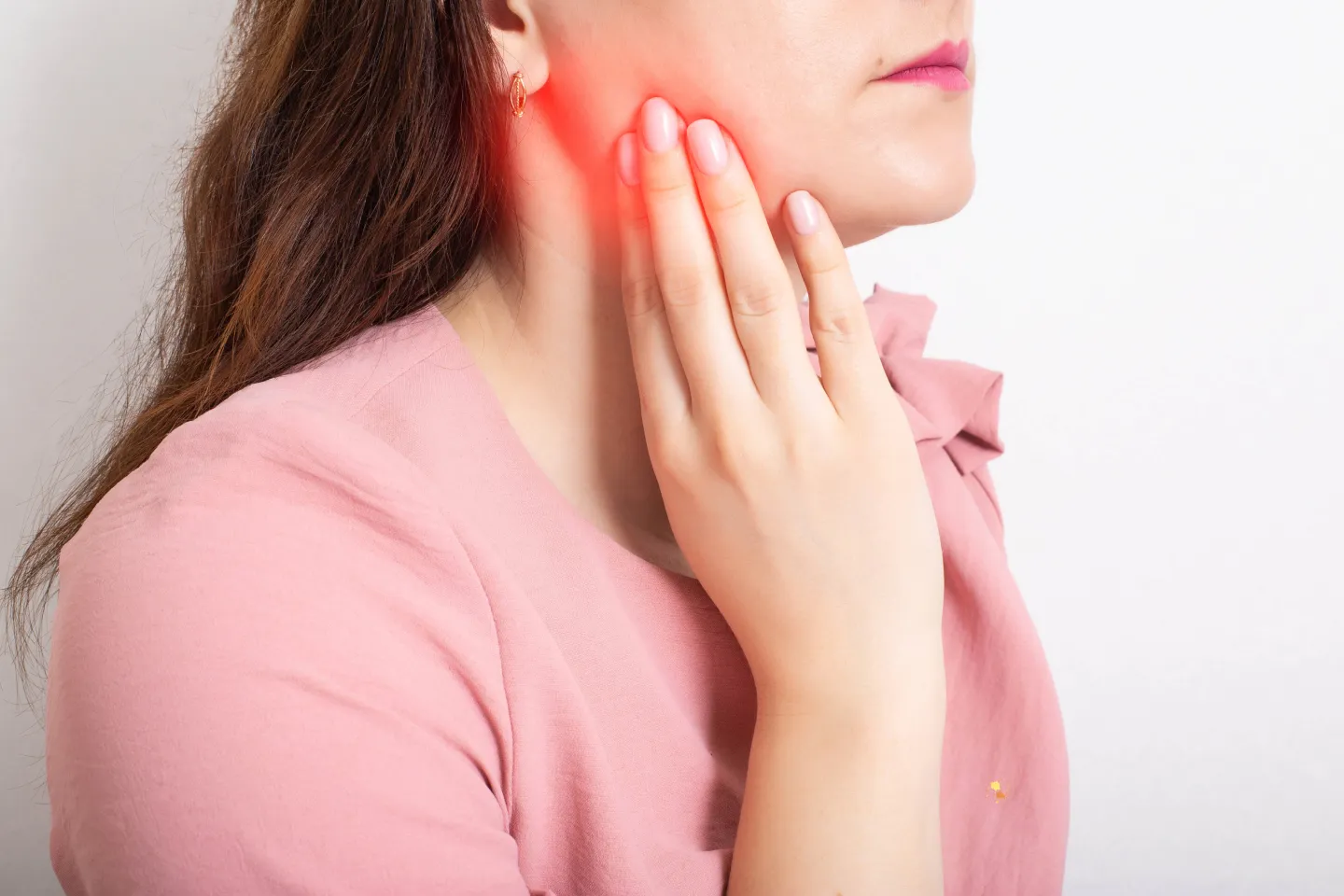
The surgery was over, and Mark felt like he had conquered a major milestone. He walked out of the office with a bit of gauze in his mouth and a plan for a weekend of movies and milkshakes. By the next morning, however, Mark looked in the mirror and didn't recognize the person staring back. His jaw had puffed out like a chipmunk storing nuts for the winter. Panic set in. Was this an infection? Did something go wrong during the procedure? He spent the next hour hovering over his phone, searching for answers about whether his face would ever return to its original shape.
Mark’s experience is the textbook definition of postoperative anxiety. When we think about dental work, we often focus on the procedure itself, but the visual aftermath can be just as jarring. Swelling is a natural, healthy response from your body, yet it remains one of the most common reasons patients call their dentist in a worry. Understanding the timeline of inflammation can turn a stressful recovery into a predictable path toward healing.
The Science of the Puff Why Your Face Swells Up
It helps to think of swelling as your body’s internal first aid kit. When a wisdom tooth is removed, especially if it was impacted or required a surgical approach, the surrounding tissue and bone experience a form of trauma. In response, your immune system rushes white blood cells and fluid to the area to begin the repair process.
The Peak of Inflammation
The most important thing to remember is that swelling does not happen instantly. You might leave the office looking relatively normal, only to find the puffiness increases over the next 48 hours. This is completely normal. In fact, most patients find that the third day is when the swelling is at its absolute maximum. This is the biological "peak" before your body starts to reabsorb the fluid and the inflammation begins to subside.
Bruising and Skin Discoloration
Along with the swelling, you might notice some yellow, blue, or even purple tinting on your skin near the jawline or neck. This is just like a bruise you would get on your arm or leg. As the swelling goes down, the bruising may actually travel downward toward your neck before it fades away completely. It looks a bit alarming, but it is just your body processing the minor bleeding that occurred under the tissue during the extraction.
The Standard Recovery Timeline What to Expect Day by Day
Knowing the schedule of your recovery can help you stay calm when you look in the mirror. While everyone heals at their own pace, most people follow a very similar trajectory after a Wisdom Tooth Extraction procedure.
Days One and Two
During the first 24 to 48 hours, the swelling is building. This is the window where you have the most control over how big the puffiness gets. If you are diligent with your aftercare, you can often keep the inflammation manageable. You might also feel some stiffness in your jaw, making it hard to open your mouth fully.
Day Three: The Turning Point
Day three is usually the "make or break" day. If you reach the end of the third day and notice that the swelling has stayed the same or started to decrease, you are right on track. If, however, the swelling is still rapidly increasing after the 72-hour mark, it might be time to check in with your dental team to ensure everything is progressing safely.
Day Four through Seven
By day four, you should see a visible difference in the mirror. The "chipmunk cheeks" will start to flatten out, and your jaw should feel less tight. By the end of the first week, most of the external swelling should be gone, though you might still have some minor tenderness deep in the socket area where the bone is healing.
Solutions to Manage and Reduce Swelling
While you cannot stop swelling entirely, you can definitely influence how long it sticks around. The goal is to keep the blood flow regulated and give your tissues the best environment to settle down.
The Power of Cold Therapy
For the first 24 hours, ice is your best friend. Use a cold compress or a bag of frozen peas wrapped in a thin towel. Apply it to the outside of your face for 20 minutes on and 20 minutes off. This constricts the blood vessels and prevents too much fluid from rushing to the site. After the first 48 hours, switching to a warm compress can actually help by increasing circulation to wash away the stagnant fluid that caused the puffiness in the first place.
Elevation and Rest
One mistake Mark made was lying flat on his couch all afternoon. When your head is level with your heart, blood pressure in your head increases, which can lead to more throbbing and swelling. Try to keep your head elevated with two or three pillows, even while sleeping, for the first few nights. This uses gravity to help drain fluid away from your face.
When Swelling Becomes a Warning Sign
It is vital to distinguish between normal healing and a potential complication. While puffiness is expected, certain red flags suggest you might need a follow-up visit.
Signs of Infection
If the swelling suddenly increases after day four, or if it is accompanied by a fever, a foul taste in your mouth, or pus, you may have an infection. Normal swelling should feel tender, but shouldn't feel like it is radiating heat. If the skin over the swelling feels hot to the touch or looks extremely red, give us a call.
Persistent Pain
Pain and swelling usually go hand in hand, but the pain should be manageable with the medications suggested during your General Dentistry consultation. If the pain is getting worse as the days go by, or if it is a sharp, throbbing sensation that medications won't touch, it could be a sign of dry socket or other issues that need professional attention.
FAQ
Q: How long does swelling last after wisdom teeth removal?
A: Generally, swelling peaks at 48 to 72 hours and begins to fade by day four. Most visible puffiness is gone within a week.
Q: Why is my swelling worse on one side?
A: This is very common. If one tooth is more deeply impacted or difficult to remove than the others, that side will naturally experience more trauma and more swelling.
Q: Can I take ibuprofen to help with the puffiness?
A: Yes, anti-inflammatory medications like ibuprofen are often recommended because they specifically target the enzymes that cause swelling. Always follow the specific dosage instructions provided by your dentist.
Q: Does talking a lot make the swelling worse?
A: It can. Excessive jaw movement in the first 24 hours can irritate the surgical sites and increase blood flow to the area, which might lead to more inflammation. It is best to rest your voice and your jaw for the first day.
Q: Will I have permanent swelling or changes to my face?
A: No. Once the tissue has healed and the bone has filled in the socket, your facial structure will return to exactly how it was before, minus the troublesome teeth.
Conclusion
Seeing your face change shape after surgery can be a bit of a shock, but it is just a sign that your body is doing exactly what it was designed to do. Like Mark, you might feel a bit of panic on day two or three, but by staying consistent with ice, elevation, and rest, you will see that puffiness disappear before you know it. The most important part of the journey is patience and following the expert guidance of your dental team.
If you are concerned about your wisdom teeth or notice some unusual symptoms during your recovery, do not hesitate to reach out. We are committed to making sure your healing process is as comfortable and predictable as possible.
Schedule your follow-up or consultation for Wisdom Tooth Extraction at Medford Square Dentistry & Implants today. We are here to help you get back to feeling like yourself again.


Hours
Monday–Friday: 9 AM - 5 PM
Saturday: 9 AM - 3 PM
Sunday: Closed


© 2025 Medford Square Dentistry & Implants | All Rights Reserved | Privacy Policy | HIPAA Policy | Website Design by Remedo